Garbage disposals do heavy lifting in many Pembroke Pines kitchens. They clear plates, manage small prep scraps, and keep the sink moving on busy weeknights. Yet most failures the Tip Top Plumbing & Restoration team sees are preventable. A few small habits strain motors, dull impellers, and clog drains. The fix is simple: know what the unit can handle, and what it cannot, then use it with steady water flow and short duty cycles. This guide lays out the mistakes that shorten the life of a disposal, the warning signs of trouble, and what a homeowner can safely try before calling a pro. It also shows where professional service makes the most sense for cost and safety.
Why misuse breaks disposals faster in Pembroke Pines
Local conditions matter. In Pembroke Pines, many homes have moderate to hard water. Minerals build up inside the grind chamber and along the drain line over time. Combined with fibrous foods and grease, scale forms a rough paste that slows spinning parts and traps odors. The area also sees seasonal spikes in use during holidays and family visits. Units face longer runtimes with tougher scraps. Small mistakes add up faster in these conditions than they would with softer water and lighter loads. That is why simple best practices pay off here.
The foods that cause the most damage
A disposal is not a blender or a wood chipper. It uses a small induction motor and a grind plate that flings food against a ring. It needs flow, room to work, and material that breaks down easily. Certain items fight that process and cause predictable issues.
Grease and fats lead the list. Bacon grease, pan drippings, and melted cheese cool in the drain and coat everything. In a week, that coating catches coffee grounds and rice. In a month, the pipe narrows and smells. In three months, it may clog completely. The team often removes a solid, gray plug from 1.5-inch kitchen lines that started with a cup of cooled grease poured on a Sunday.
Fibrous foods are a close second. Celery threads, corn husks, onion skins, and artichoke leaves wrap around the impellers. They act like string in a vacuum brush. The motor hums but the plate cannot spin freely. That is the classic jam that trips the reset button.
Starches swell. Rice, pasta, oats, and potato peels look harmless. Yet they absorb water and expand inside the P-trap and branch line. A homeowner may hear the disposal run fine, then notice slow drainage and gurgling later. The clog forms downstream and often needs a drain machine to clear fully.
Hard objects belong in the trash or compost. Bones, fruit pits, shells from crab and lobster, and unpopped popcorn kernels are too dense. They chip the garbage disposals grind ring and stall the motor. One peach pit can wreck a chamber and knock a unit off balance.
Coffee grounds feel tidy, but they pack like wet sand. A few spoonfuls are fine with heavy water flow. A daily habit of dumping an entire filter creates a heavy sludge that settles in the trap and the horizontal run in the wall.
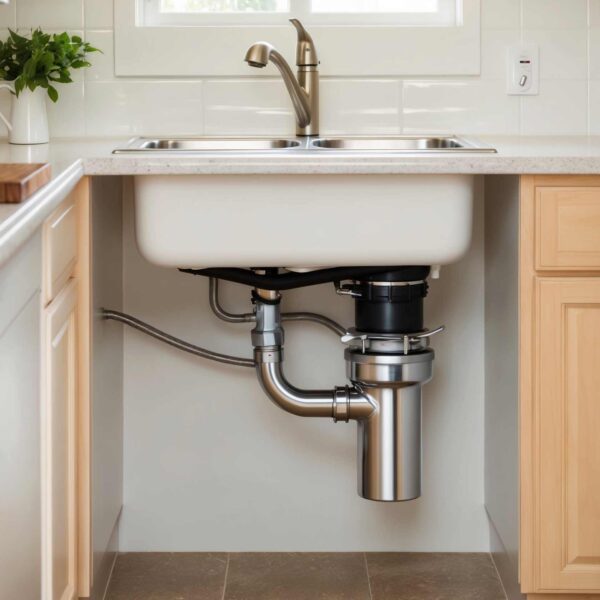
Eggshells and lemon wedges do not sharpen blades. Disposals do not have blades to sharpen. Eggshell membranes wrap around moving parts, and citrus rinds can jam small units. Citrus can help with smell when used as a tiny accent with hot water, but it is not a cleaning method by itself.
How water use changes everything
Water use is the one habit that makes the biggest difference. A disposal needs steady, cool to lukewarm water before, during, and after grinding. The water acts like a conveyor, sweeping ground particles out of the chamber and through the P-trap. Many homeowners flip the switch dry, toss scraps, and turn off the tap as soon as the sound smooths out. That shortchange leads to build-up in the trap.
Cool or lukewarm water is best for routine grinding. Very hot water melts fats, which then congeal farther down the line. There are exceptions. Hot water helps when someone is flushing soap residue or cleaning the chamber with a mild detergent. For normal use, aim for a gentle, continuous stream that runs 10 to 20 seconds after the grind sound fades. In Tip Top’s service calls, the homes that never clog run water longer than they think they need.
Overloading the chamber
A disposal likes small batches. Large handfuls create a dense plug that prevents food from contacting the grind ring. That forces the motor to push hard while nothing moves. Over time, this strains windings and shortens the unit’s life. It also increases heat, which trips the internal breaker. The safer method is to feed scraps steadily while the unit is running, letting each small amount clear with the water flow before adding more.
Size of scraps matters, too. A half-grapefruit rind, a whole potato peel ball, or a tangled nest of vegetable strings can jam a chamber in seconds. Cut large items into smaller pieces if they must go in, and balance the load with soft items like small bits of cooked vegetables rather than dense piles of one texture.
Foreign objects and the “oops” moment
Spoon in the drain. Bottle cap. A twist tie. Tip Top technicians pull these from disposals weekly. Metal and rigid plastics cause sparks, scoring, or instant jams. If something drops in, the safe method is to cut power at the switch or breaker, wait for full stop, use long needle-nose pliers or tongs, and remove the item. Hands should not enter the chamber. Even with the power off, the impellers have sharp edges and the chamber has burrs.
If the impellers feel stuck afterward, a homeowner can use the hex key under most units. Insert it in the center bottom socket and gently turn both ways to free the plate. Then press the red reset button and run water while testing a short burst. If the hum persists, stop, cut power, and schedule service.
Cleaning mistakes that make things worse
Bleach seems like a quick fix for odors. It is not. Regular use of bleach degrades rubber in the splash guard and can damage seals. It also creates fumes in enclosed bases. Drain openers cause more harm. Caustic chemicals can burn skin, pit metal, and create heat in a trapped chamber. Disposal manufacturers routinely deny warranty claims when caustics are present.
Safe cleaning uses friction and mild agents. Ice is often suggested; it scrubs surfaces and knocks off small debris. There is a trade-off: large loads of ice in older units strain motors. A better method is a small handful of ice with a cup of rock salt, followed by a steady stream of cool water. A few drops of dish soap while running water can reduce grease film. For smell, baking soda followed by white vinegar foams and helps lift residue. Finish with a minute of water flow.
Brushes help, but only if used at the splash guard and the upper chamber. A long, stiff disposal brush used from the top is safe. Avoid pushing sponges or cloths down into the chamber.
The splash guard problem few people check
That black rubber baffle at the sink opening matters more than most think. It blocks splashback, reduces noise, and guides food down. When it cracks or loses shape, scraps bounce around and stick to the underside of the guard, where they rot and smell. Many Pembroke Pines homes have older guards that never get cleaned. The simple fix is to lift it out if it is removable or fold it back to scrub both sides with a brush and soap. Replacement is inexpensive and takes five minutes. Tip Top carries guards in common sizes on service trucks because it solves many “mystery odor” calls.
Running times and thermal trips
Short bursts are better than long continuous runs with no load. A disposal is air-cooled through the chamber. Running it dry for minutes creates heat without benefit. Extended heat trips the internal breaker. If a unit clicks off and the red button pops, give it time to cool for 10 to 15 minutes before resetting. Repeated trips signal a failing motor, a jam, or electrical issues. Homes near the coast sometimes have higher humidity in sink bases, which worsens garbage disposal installation heat retention. Venting the cabinet or keeping the area clear of clutter helps airflow.
What that sound means
The sound of a healthy disposal changes as it works. It starts with a high-pitched whir that shifts to a lower, smoother tone as food clears. Experienced techs can tell by ear when a chamber is struggling. A loud metallic rattle signals a foreign object. A dull hum with no rotation indicates a jam or a seized motor. A grinding squeal suggests worn bearings, which calls for replacement. Vibration that walks the unit loose points to imbalance from damaged impellers or a warped plate. If the sound does not normalize within 5 to 10 seconds after small scraps, stop and check for obstruction.
Simple troubleshooting homeowners can try
- Press the reset button on the bottom of the unit after a cool-down period. Then run water and test a short cycle. Use the hex key in the bottom socket to turn the plate both directions if it is jammed. Do not force it hard; a gentle rock often frees debris. Clear the splash guard and remove visible obstructions with pliers. Keep hands out of the chamber. Run a minute of cool water with dish soap, then try a handful of ice and a cup of rock salt to scrub the chamber. If the sink drains slowly even with the disposal off, the clog is likely in the P-trap or wall. Place a bucket, remove the trap, and clear it if comfortable. Reinstall with new washers if they are brittle.
If the breaker trips repeatedly, water leaks from the base, or there is any sign of electricity and water interacting, stop and arrange service. Those are not DIY jobs.
The water trap that clogs more than the disposal
Many calls labeled “disposal problem” turn out to be drain problems. The P-trap and the horizontal run in the wall collect the slurry that leaves the chamber. In homes with older galvanized or rough PVC, texture inside the pipe catches grease and grounds faster. Undersized traps, improper slope, and long horizontal runs make it worse. A professional can correct slope, replace a section with smooth-wall PVC, and reduce future clogs. Tip Top often pairs a new disposal install with a trap upgrade because it prevents callbacks and saves the homeowner repeat headaches.
Odors and hygiene: what actually works
Smells come from residue, stagnant water in the trap, and bacteria. Air fresheners and citrus peels mask the problem. Removal works better. A practical cycle is simple: scrub the splash guard, flush with cool water and dish soap during and after use, and run a weekly baking soda and vinegar treatment followed by a two-minute rinse. If odors persist, there may be a partial blockage holding organic matter. In Pembroke Pines’ heat, that turns fast. A drain cleaning with a small cable or a hydro-jet on low pressure clears the biofilm without harsh chemicals.
Age and the replacement decision
Most standard disposals last 7 to 12 years with proper use. Heavy holiday use, hard water, and frequent jams shorten that. If a unit leaks from the body, shows rust streaks, or needs frequent resets, replacement is smarter than patching. Motor hum with no rotation after successful hex-key freeing is another sign. Newer models run quieter and use less power while grinding faster. Homeowners often report that meal cleanup time drops by a third with a modern, half to three-quarter horsepower unit installed correctly.
Tip Top technicians help clients match the unit to their kitchen habits. A small condo with light use does fine with a compact 1/3 to 1/2 horsepower model. A busy household in Westfork or Silver Lakes that cooks nightly and hosts often should start at 3/4 horsepower or 1 horsepower with stainless components for longevity. A quick site check confirms cabinet space, outlet location, and drain height. Installations usually take one to two hours, including trap inspection and splash guard replacement.
Safety and electrical realities
A disposal sits inches from water. GFCI protection, proper grounding, and secure wire connections matter. Many older homes in Pembroke Pines have disposals tied to shared circuits or loose wirenuts in the base. If a unit tingles, shocks, or trips a breaker when it runs, disconnect and call a licensed plumber or electrician. Tip Top’s team handles both the plumbing and the common electrical tie-in details during a service visit, which avoids the back-and-forth that delays kitchen use.
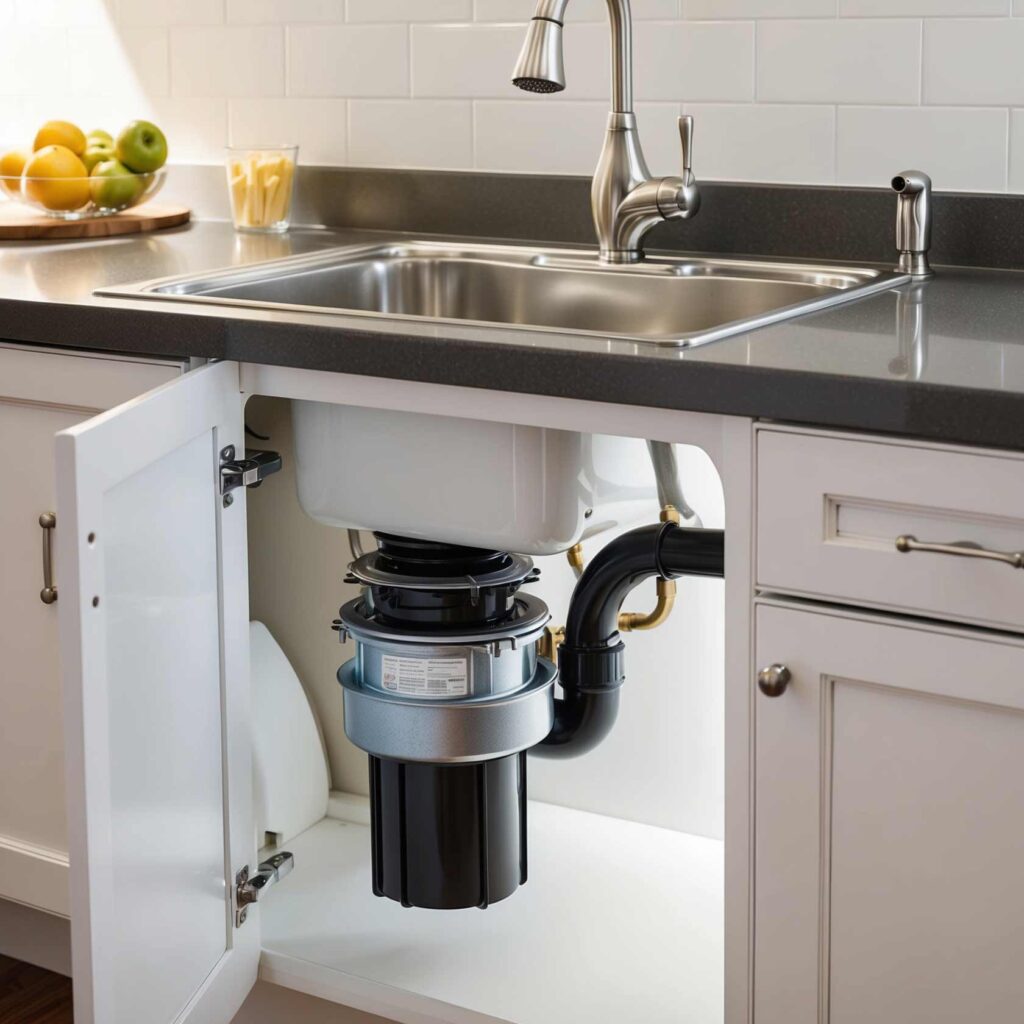
The cost of mistakes versus maintenance
A jam cleared early takes 15 minutes and no parts. A clog left to harden can demand a full trap rebuild and wall line auger. A burnt motor means a new unit. A leak at the flange can soak the cabinet bottom and ruin particleboard in a week. In repair logs, the difference often comes down to three habits: steady water flow, small batches, and keeping grease out of the drain. For the average household, those habits prevent one to three service calls per year. Over five years, that savings easily covers the price of a high-quality disposal.
What Tip Top checks during a service call
Homeowners often appreciate seeing a clear checklist rather than guesses. During a disposal call in Pembroke Pines, a Tip Top technician typically:
- Tests electrical supply, switch function, and GFCI protection. Inspects flange, mounting ring, and splash guard for leaks and wear. Checks impeller movement with the hex socket and listens under load. Opens and cleans the P-trap if drainage is slow, then verifies slope and pipe condition. Runs a final flush and odor treatment, then reviews safe-use tips specific to the home.
This visit takes about 45 to 75 minutes. If replacement is needed, most swaps are completed same day from stocked inventory.
Neighborhood notes and real examples
In Pembroke Lakes, a townhouse kitchen had a monthly clog. The homeowner used the disposal as a catch-all during meal prep, then ran it at the end with a quick splash of hot water. The fix was to run cool water, feed scraps steadily, and dump grease in a can instead of the sink. Tip Top also replaced a flat, worn splash guard and corrected a shallow trap angle. The clog cycle ended immediately.
In Chapel Trail, a family hosted frequent barbecues. Corn husks and onion skins were the main culprit. The team found impeller wrap and a tripped breaker. After freeing the jam, they recommended a larger unit with stainless grind components and a simple house rule: husks in the trash, not the sink. The replacement cut noise and improved throughput. No issues reported six months later.
In a condo near City Center, odors lingered despite constant lemon peels. The splash guard underside was coated with sludge, and the trap held a plug of coffee grounds. A deep clean, new guard, and a reminder to limit grounds to a tablespoon with heavy water solved it. The client now uses baking soda weekly and reports a fresh sink without perfumes.
A simple routine that keeps garbage disposals healthy
Daily, run cool water before and after short grinding sessions. Keep grease out of the drain. Break scraps into small batches. Weekly, scrub the splash guard and run a baking soda and vinegar cycle. Monthly, check under the sink for moisture around the flange and mounting ring. If anything feels off — odd sounds, frequent resets, slow draining — act early.
For homeowners in Pembroke Pines, quick help is nearby. Tip Top Plumbing & Restoration services single-family homes, townhomes, and condos across Pembroke Lakes, Silver Lakes, Chapel Trail, and Boulevard Heights. The team can clear jams, fix leaks, replace worn guards, and install new disposals sized for real kitchen use. Same-day appointments are often available. Calling before a small problem turns large keeps the kitchen running and protects cabinets and flooring from hidden leaks.
If a garbage disposal is humming, leaking, or clogging the sink, schedule a visit. A short service call restores function and sets simple habits that prevent repeat issues. That is the easiest way to keep dinner cleanup quick and the drain line clear in Pembroke Pines, FL.
Tip Top Plumbing & Restoration provides full plumbing service in Pembroke Pines, FL. Our local plumbers handle emergency calls, leak detection, clogged drains, and water heater repair. We also perform drain cleaning, pipe repair, sewer line service, and piping installation. From kitchen plumbing upgrades to urgent water line issues, our team delivers fast and dependable results. Homeowners and businesses across Pembroke Pines trust Tip Top Plumbing & Restoration for clear communication, fair pricing, and reliable workmanship.
Tip Top Plumbing & Restoration
1129 SW 123rd Ave
Pembroke Pines,
FL
33025,
USA
Phone: (954) 289-3110
Website: https://tiptop-plumbing.com/, Google Site
Social Media: Instagram, Facebook, Yelp, LinkedIn, X
Google Map: View on Google Maps